Piñatas are the life of the party — the moment everyone waits for, the chaos everyone cheers for, and the candy explosion no one ever forgets. But this colourful party icon didn’t just appear out of nowhere. Its history is actually wildly interesting… and way older than you might think.
Let’s take a little trip back in time and uncover where this sweet tradition really began.
1. The OG Origins (Spoiler: It Started in China!)
Yep, plot twist — the piñata wasn’t born in Mexico.
Historians believe the earliest version of a piñata came from China, where papier-mâché figures shaped like animals were filled with seeds and broken open during New Year celebrations.
After they broke the figure, the remains were burned, and the ashes were kept for good luck.
(A little intense, but hey… traditions were different back then.)
2. How Piñatas Travelled the World
Marco Polo — the original travel influencer — is said to have brought the idea from China to Europe in the 13th century.
There, it took on a religious meaning:
- The piñata was decorated beautifully
- It symbolised temptation
- Breaking it represented the triumph of good over evil
Deep stuff for something we now whack for fun.
3. Enter Mexico: The Real Glow-Up Era
When Spanish missionaries arrived in Mexico, they introduced the piñata tradition — but surprise, surprise — Mexico already had something similar.
The Aztecs celebrated the birthday of the god Huitzilopochtli with a clay pot decorated with feathers and filled with treasures. When broken, the goodies fell as offerings.
So basically, Mexico said, “We’ve been doing this. Thanks for the collab.”
From there, the piñata transformed into what we recognise today:
bright, colourful, joyful, and totally party-ready.
4. The Famous Star Piñata (And Its Symbolism)
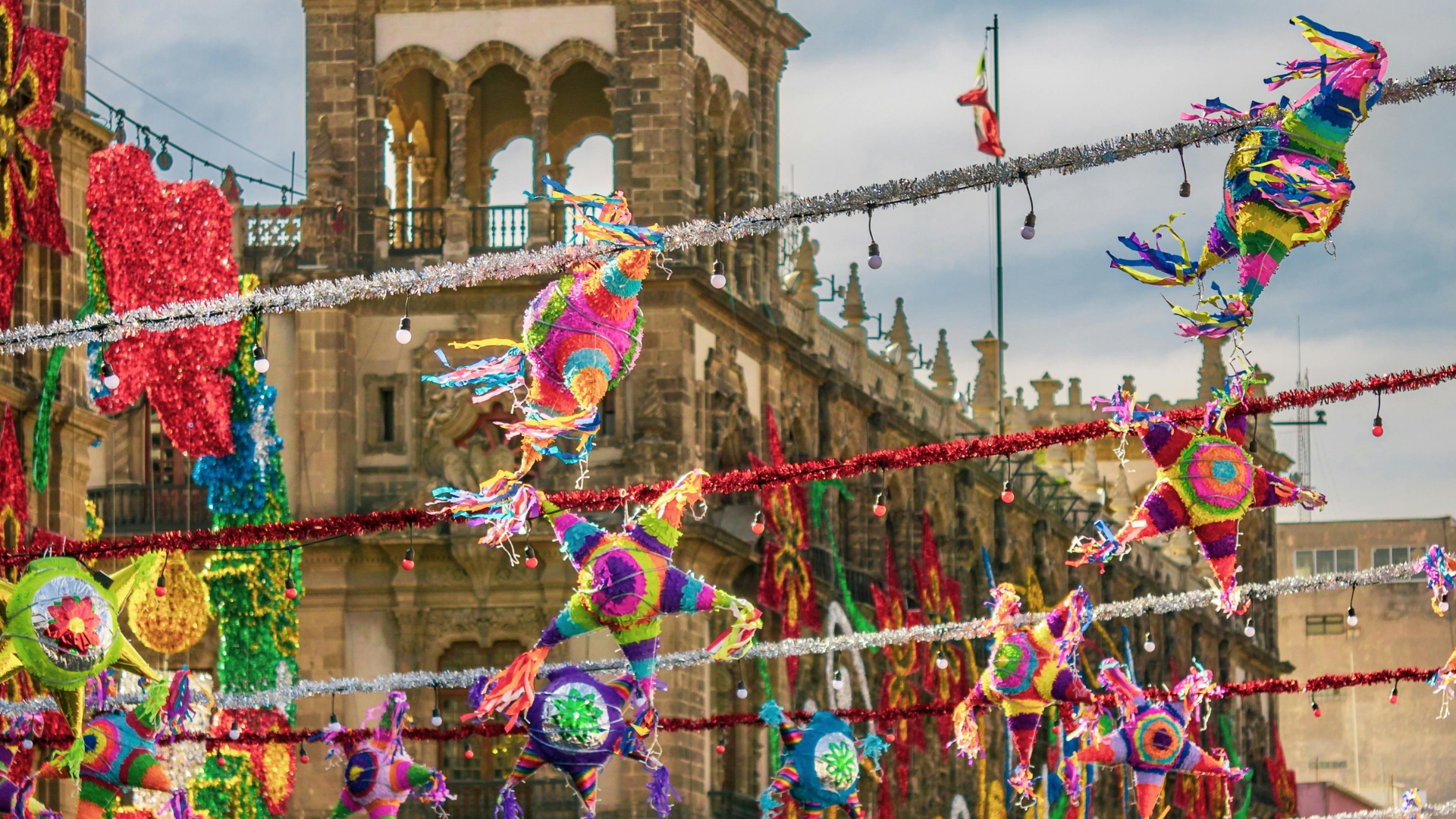
Traditional Mexican piñatas during Las Posadas (a Christmas festival) were shaped like a star with seven points, each representing one of the seven deadly sins.
You were blindfolded to symbolize “faith,”
and hitting the piñata was meant to show virtue defeating temptation.
And when it broke?
Blessings — symbolised by fruits and sweets — rained down.
Honestly, who knew piñatas were this philosophical?
5. From Clay Pots to Paper Magic
Originally, piñatas were made from clay pots (ollas). But let’s be real — clay + excited kids = potential disaster.
So over time, the clay shifted to paper, cardboard, and lightweight materials.
This made piñatas safer, more creative, and available in every shape possible:
- Animals
- Cartoon characters
- Numbers
- Hearts
- Unicorns (a fan favourite, obviously)
Creativity took over, and the modern piñata era was born.
6. Piñatas Today: A Global Party Essential
Today, piñatas are everywhere — from birthday parties to weddings, from baby showers to corporate events (yes, even adults need candy therapy).
They’re used as:
- Photo props
- Party centrepieces
- Fun activities
- Surprise reveal moments
- And heartwarming customs passed down through generations
And with the rise of personalised piñatas (hi 👋 Whack A Piñata), the tradition has evolved into an art form.
Each one isn’t just a party game — it’s a memory waiting to happen.
7. Why the Tradition Still Matters
At its core, the piñata has always stood for:
- Celebration
- Community
- Hope
- Abundance
- And joy shared with the people you love
No matter how cultures evolve, these values stay timeless — which is probably why the piñata tradition hasn’t just survived… it’s thrived.
Final Whack: A Tradition That Keeps Giving
From ancient China to modern celebrations across the world, piñatas have gone through centuries of transformation — but their spirit remains the same:
bring people together for a moment of joy, laughter, and sweet surprises.
And today, every handcrafted piñata we create is a tiny tribute to that beautiful history — filled with creativity, purpose, and a whole lot of happiness.